Start with the defect and the route
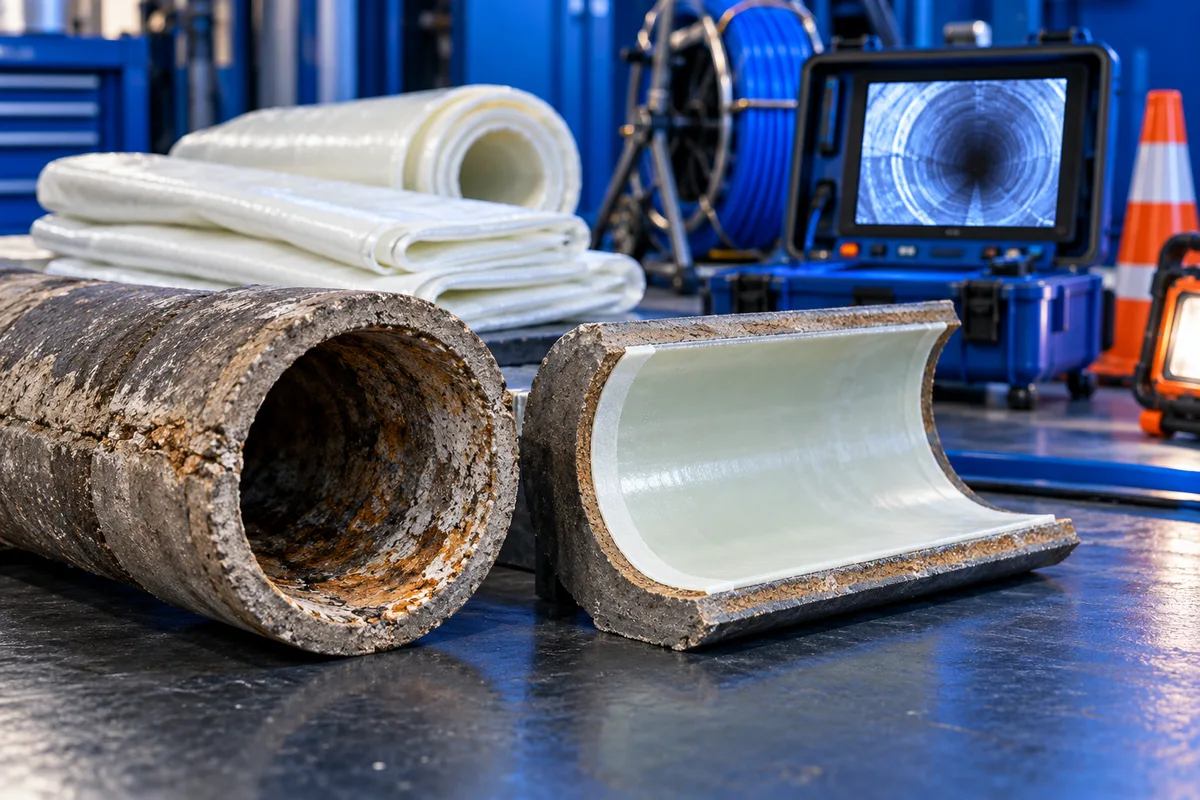
Ask whether the issue is leaking joints, deterioration, insufficient capacity, a severe separation, or poor grade. The host pipe condition and nearby utilities influence the options. A method recommendation should refer to the inspection findings and the specific installation requirements.
Compare what each quote includes
Preparation, access excavation, connection work, permits, final inspection, and restoration should be visible in both scopes. Ask whether a proposed diameter change is included and how branch connections are treated. Avoid comparing a complete replacement contract with a lining estimate that excludes access work.
Keep approval separate from marketing
A method common elsewhere may need a different review in Philadelphia. Have the responsible contractor confirm the current permit path and permitted application. The practical choice is the method that addresses the defect, fits the site, and can be approved—not the one with the strongest no-dig headline.
Your next-step checklist
- Identify the same defect in each proposal
- Compare preparation and restoration
- Confirm method acceptance before committing
Discuss the next step for your property
For a Philadelphia service enquiry, call (267) 740-0245. Describe the symptoms, the address, and any inspection findings. Ask about CIPP pipe lining and confirm provider availability before arranging work.
This guide describes a problem scenario, not a completed customer job. It is general information, not a diagnosis, engineering design, coverage decision, or legal advice.
- Perma-Liner: lateral lining specifications ↗
- City of Philadelphia L&I: current applicable plumbing codes ↗
Confirm current requirements with the responsible department and the provider assessing your property.