Your sewer line, replaced without digging up your yard.
We fix sewer lines for Philadelphia's rowhomes with no-dig methods — pipe bursting and CIPP lining through small access pits instead of an open trench. Everything starts with a camera inspection, so you see the actual condition of your line before anyone talks money.
The rowhome problem, solved underground
Most of Philadelphia's rowhomes went up between the 1900s and the 1950s, and their sewer laterals went in with them — clay tile and cast iron, laid in segments with joints that tree roots love. A century of soil movement and root pressure turns those joints into entry points, and the number-one call we get is some version of the same sentence: there's roots in our sewer line.
That lateral — the pipe running from your house to the city main — is yours. In Philadelphia that includes the curb trap, the U-bend sitting under the pavement near the curb. PWD holds the homeowner responsible for the whole run, and when a lateral breaks or leaks, PWD can issue a Notice of Defect ordering you to fix it. Sewer problems in Philly aren't just plumbing problems — they're your problem, with paperwork.
Rowhomes make the fix harder than the pipe. Party walls, narrow streets, and sidewalks built right up to the front door leave no room for a backhoe. Trenchless methods were made for exactly this: pipe bursting pulls a new pipe through the old one; CIPP lining cures a new pipe inside the old one. Both work through small access pits instead of a trench. The honest part: lines that are collapsed flat or bellied badly may still need excavation. We tell you which one you're looking at.
PWD's Homeowner's Emergency Loan Program offers 0% interest with 5-year repayment — (215) 685-4901. The PHDC Basic Systems Repair Program: (215) 448-2160. Public programs, not ours; for official guidance contact PWD directly.
Trenchless & sewer services
Eight ways in to a fixed sewer line. Camera first, always — then the method that actually fits your pipe.
Pipe Bursting
A bursting head pulls brand-new HDPE pipe through the old line, breaking the old pipe outward as it goes. No trench — and it can upsize a line that's too small.
Pipe bursting →Pipe Lining (CIPP)
An epoxy-saturated liner is pulled into the old pipe and cured in place — a new pipe inside the old one, sealing cracks and open joints from the inside.
Pipe lining →Sewer Camera Inspection
A camera runs the full lateral so you see exactly what's wrong — roots, cracks, offsets — before anyone quotes a fix. No guessing, no upsell theater.
Book a camera run →Sewer Lateral Replacement
When a lateral is beyond saving, we replace the full run from house to curb — trenchless first, excavation only if the pipe honestly requires it.
Replace my lateral →Hydro Jetting
High-pressure water scours roots, grease, and scale out of the line. The standard prep before a CIPP lining — and often all a root-choked line needs.
Jet the line →Tree Root Removal
Roots in the sewer line are Philly's most common sewer complaint. We cut them out, then show you on camera whether the pipe behind them is still sound.
Clear the roots →Cleanout Installation
No cleanout means no real access — and no proper camera run. We install code-friendly cleanouts so your line stays serviceable going forward.
Ask about cleanouts →Traditional Excavation
Collapsed lines and severe bellies can't always be fixed without digging. When that's the case, we dig — and we show you the camera footage first.
Compare methods →Trenchless vs. the trench
Three ways to fix a sewer line. Which one fits depends on what the camera shows — here's the honest comparison.
Pipe Bursting
- What it is
- New HDPE pipe pulled through; old pipe fractured outward
- Disruption
- Two small pits — yard and sidewalk stay put
- Best for
- Collapsed or undersized pipe; can upsize the line
- Watch for
- Needs pulling room; severe bellies stay bellies
CIPP Lining
- What it is
- Epoxy liner cured inside the existing pipe
- Disruption
- Usually none — installs through the cleanout
- Best for
- Cracked or root-damaged pipe that's still mostly round
- Watch for
- Needs a host pipe; slight diameter reduction
Traditional Dig
- What it is
- Open trench; old pipe dug out, new pipe laid
- Disruption
- Full trench — yard, sidewalk, sometimes street
- Best for
- Fully collapsed lines, severe bellies, missing sections
- Watch for
- Longest timeline; restoration is half the job
If a line is collapsed flat or bellied badly, lining and bursting may not be possible — excavation is the right answer and we'll say so up front. Per-foot numbers are [TBD] until your line is inspected; real pricing is quoted per job after a camera run. Read the cost guide →
How the no-dig methods work
Pipe bursting: out with the old, in with the new
A hardened bursting head travels your lateral, fracturing the old clay or cast iron outward while pulling brand-new HDPE pipe in behind it — same path, stronger pipe, and it can even upsize a line that's too small. Two pits, no trench, no joints left for roots to find.
CIPP lining: a new pipe inside the old one
An epoxy-saturated liner goes in through the cleanout, presses against the old pipe wall, and cures into a smooth, jointless, root-proof pipe inside the old shell. Usually no digging at all — the least disruptive fix there is, when the pipe still holds its shape.
What's going wrong?
Find your symptom below. These are the patterns we see most in Philly homes — the actual cause always needs a camera in the line.
Sewage Backup
Water or waste coming back up through tubs, toilets, or basement drains. It's urgent, and it usually means the main line is blocked — often roots. Don't wait on this one.
Slow Drains Everywhere
One slow sink is a local clog. Every drain in the house slowing down usually points at the sewer lateral, not the fixtures.
Gurgling Fixtures
Toilets or tubs that gurgle when other water runs. Air trapped by a partial blockage is a common cause — a camera run confirms it.
Bad Smells
Sewer smell in the house or yard often means a cracked lateral or a broken trap letting gas through. It doesn't go away on its own.
Soggy Yard Patch
A patch of yard that stays wet — or grass that grows suspiciously well in one spot — can mean the lateral is leaking underground.
High Water Bill
A sewer problem doesn't raise your water bill — a leaking supply line does. But if the bill spiked and the yard's soggy, a camera inspection tells you which line is at fault.
Trenchless in Philly's rowhomes
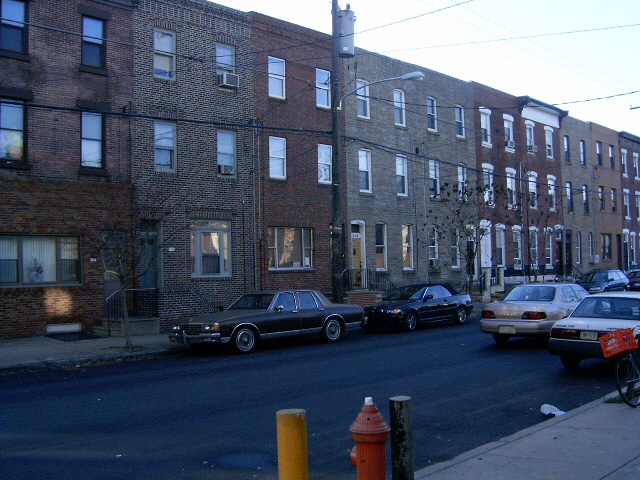
Philadelphia is a rowhome city — South Philly's two-stories, the brick rows of the Northeast, West Philly's porches. Most of them went up decades before anyone thought about sewer access. The lateral runs out the front, under the sidewalk, to the main in the street — and in a lot of these houses there's no cleanout at all. No cleanout means no way to get a camera or a jetter into the line properly, so step one is often just getting access.
Then there's the access problem itself. Party-wall construction means your lateral might run under a neighbor's slab. Narrow streets mean tight equipment staging. Sidewalks and curbs are city property with their own permit process. A traditional dig in this environment is a whole project — the plumbing ends up being only half of it.
That's why no-dig fits rowhomes so well. Pipe bursting and CIPP lining work through small pits — usually one inside at the basement and one more near the curb. The yard stays a yard. The sidewalk stays a sidewalk. No torn-up concrete, no restoration bill on top of the repair.
Across the 191xx zips we see the same pattern: old clay lateral, root intrusion at the joints, and a fix that takes a day or two instead of a week of excavation. If your house is a Philly brick row with a clay or cast-iron lateral, you're exactly the home trenchless was built for — and a camera run will tell you in under an hour whether you're a candidate.
What does it cost? Real per-foot ranges.
Trenchless sewer work in Philly is priced per foot of pipe. Our 2026 cost guide publishes the ranges by method, the six things that move your number, and the PA deposit law that protects you.
From your call to fixed
Call
Call [[PHONE]] any time — day or night. Tell us what's happening: backing up into the bathrooms, sewage smell, roots in the line. We'll get a technician scheduled.
Camera inspection
A camera runs your full lateral from house to curb. You see the footage with us — roots, cracks, offsets, bellies — so the diagnosis isn't a sales pitch.
Trenchless plan
Bursting, lining, or excavation — we lay out what fits your pipe, what it costs, and what we'd do if it were our house. No phone guesses, no pressure.
No-dig repair
Most trenchless jobs finish fast through small access pits. We test the line, walk you through what was done, and leave the property as we found it.
Money rules you can hold us to
No quote without footage. Your written price is based on what we actually saw — not a guess.
Line-itemed: method, footage, permits, restoration. You approve it in writing before anything starts.
Pennsylvania law caps deposits at one-third on home-improvement contracts over $5,000. We never ask for more.
Ask when you call — we'll lay out what's available with no fine print. Public programs exist too.
Frequently asked questions
Trenchless sewer repair fixes or replaces a buried sewer line through small access points instead of digging an open trench. The two main methods are pipe bursting — pulling a new HDPE pipe through the old one — and CIPP lining — curing an epoxy liner inside the old pipe. Both leave your yard and sidewalk intact.
Pipe bursting pulls a brand-new pipe through the old line, breaking the old pipe outward — it works on badly damaged pipe and can upsize a line that's too small. CIPP lining creates a new pipe inside the old one by curing an epoxy liner in place — ideal for cracked or root-damaged pipe that's still mostly round. A camera inspection determines which one fits your line.
Many trenchless jobs are finished in a single day once the line is prepped and cleaned; longer runs or heavy root removal can take more time. We'll give you a real timeline after the camera run — not a guess over the phone.
The length and depth of the lateral, how bad the damage is, access to the line (a cleanout helps a lot), root intrusion, and which method fits. We quote per job after a camera inspection — never a number pulled out of thin air. Our cost guide walks through every factor.
In Philadelphia, the homeowner owns the entire lateral — including the curb trap under the pavement near the curb. PWD can issue a Notice of Defect ordering you to repair a broken or leaking lateral. If money is tight, two public programs may help: PWD's Homeowner's Emergency Loan Program (0% interest, 5-year repayment, (215) 685-4901) and the PHDC Basic Systems Repair Program ((215) 448-2160). For official guidance, contact PWD directly.
Roots don't break sound pipe — they find tiny cracks and loose joints, especially in clay tile laterals, and pry them wider as they grow. It's the most common sewer complaint in Philly. Cutting the roots clears the blockage, but the pipe behind them is still damaged; lining or bursting is what stops them coming back.
A curb trap is a U-bend in your sewer lateral near the curb that blocks sewer gas from the city main from entering your home. They're common in Philadelphia, they belong to the homeowner, and they can break, clog, or collapse with age. See our curb trap guide for the full breakdown.
If you don't have one, a camera and a jetter can't get into the line properly — which makes diagnosis and repair harder and more expensive. Many Philly rowhomes were built without one. We install code-friendly cleanouts, and it's one of the smartest upgrades you can make for a sewer line.
Yes. Sewage backing up into the bathrooms at 2 AM can't wait for business hours. Call [[PHONE]] any time, day or night.
Philadelphia is our primary area — every neighborhood, from South Philly to the Northeast — plus Delaware County, Montgomery County, Bucks County, and Chester County. We have dedicated neighborhood pages for South Philadelphia, Center City, Fishtown, Northern Liberties, Manayunk, West Philadelphia, and Northeast Philadelphia.
Call [[PHONE]] any time, 24 hours a day, or use the inspection request form on our contact page and we'll call you back to schedule. Our address is [[ADDRESS]], Philadelphia, PA.
Serving Philadelphia & the suburbs
Philadelphia is our home base and our primary service area, with regular work across Delaware, Montgomery, Bucks, and Chester counties. These are service areas, not branch offices — one local crew, one phone number. Each neighborhood below has its own local sewer notes.
South Philadelphia
South Philadelphia is trenchless country. The rowhomes went up in the 1900s through the 1940s, their clay laterals went in with them, and a century of…
Local notes →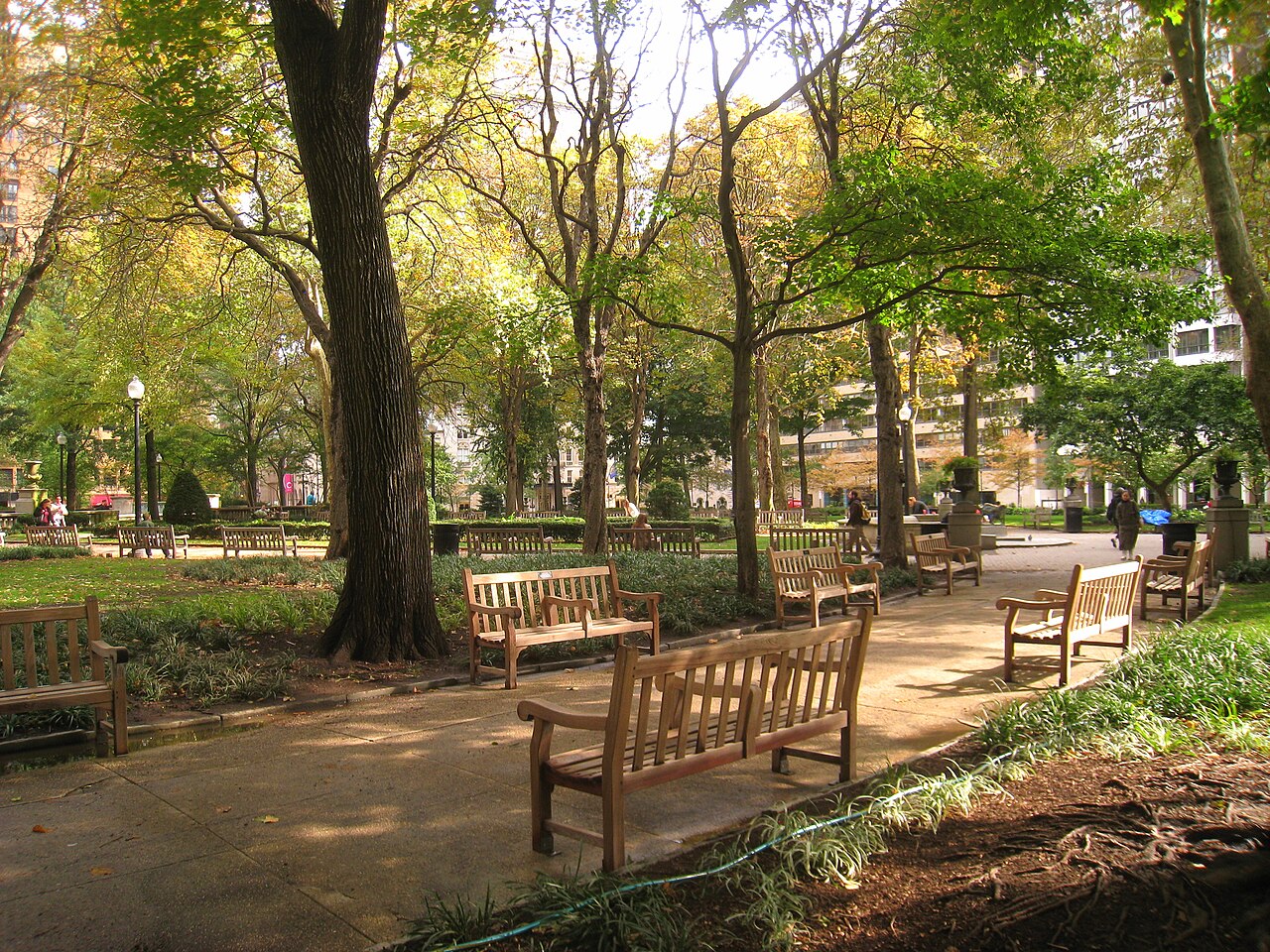
Center City
Center City is Philadelphia's oldest plumbing. Brownstones and brick rows around Rittenhouse and Society Hill, converted carriage houses, and commerci…
Local notes →
Fishtown
Fishtown is two sewer systems in one neighborhood. The classic workers' rowhomes — brick rows from the late 1800s and early 1900s with original clay l…
Local notes →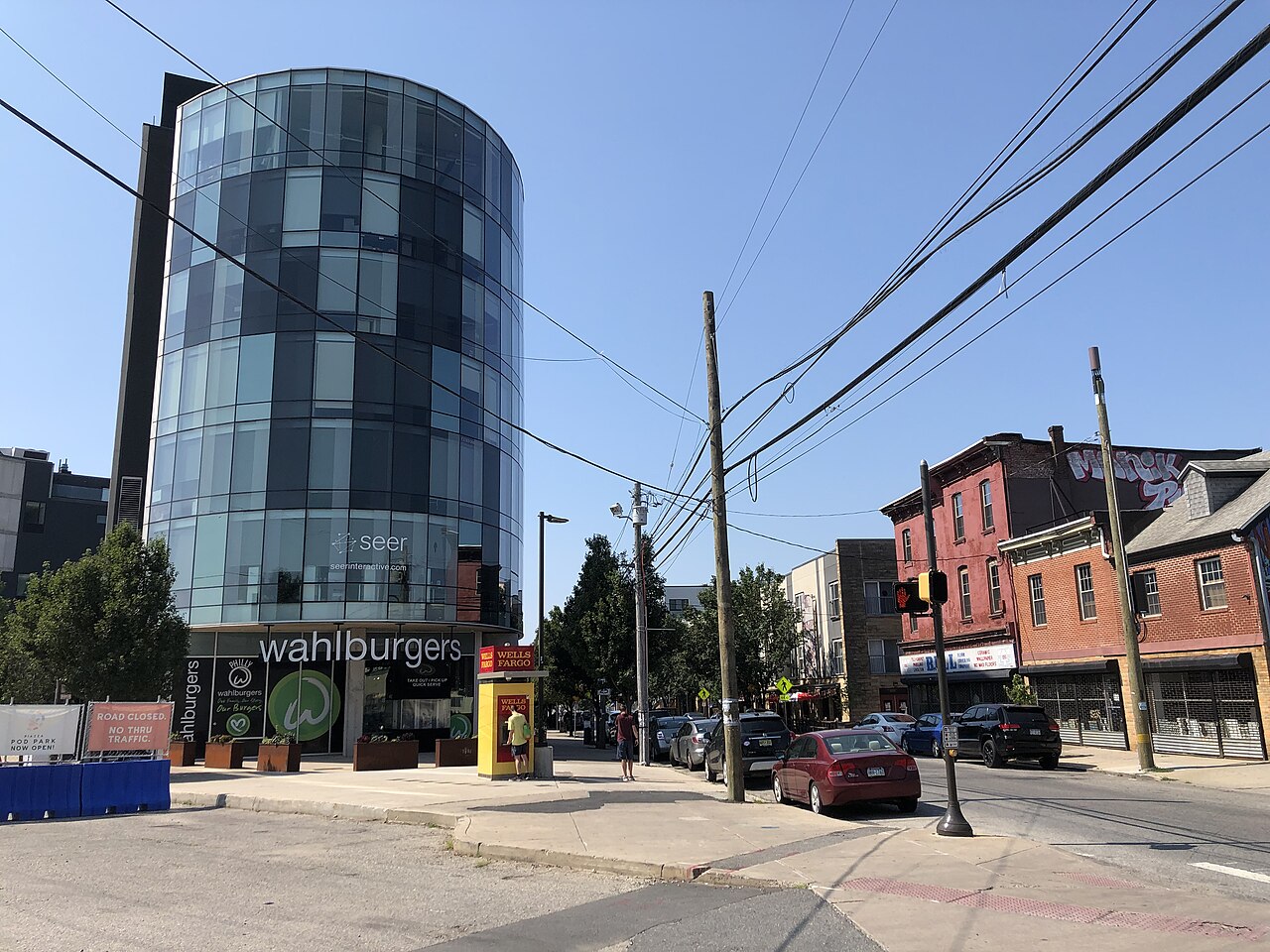
Northern Liberties
Northern Liberties has the most mixed plumbing in the city. Former industrial blocks where 19th-century workers' rows stand beside converted warehouse…
Local notes →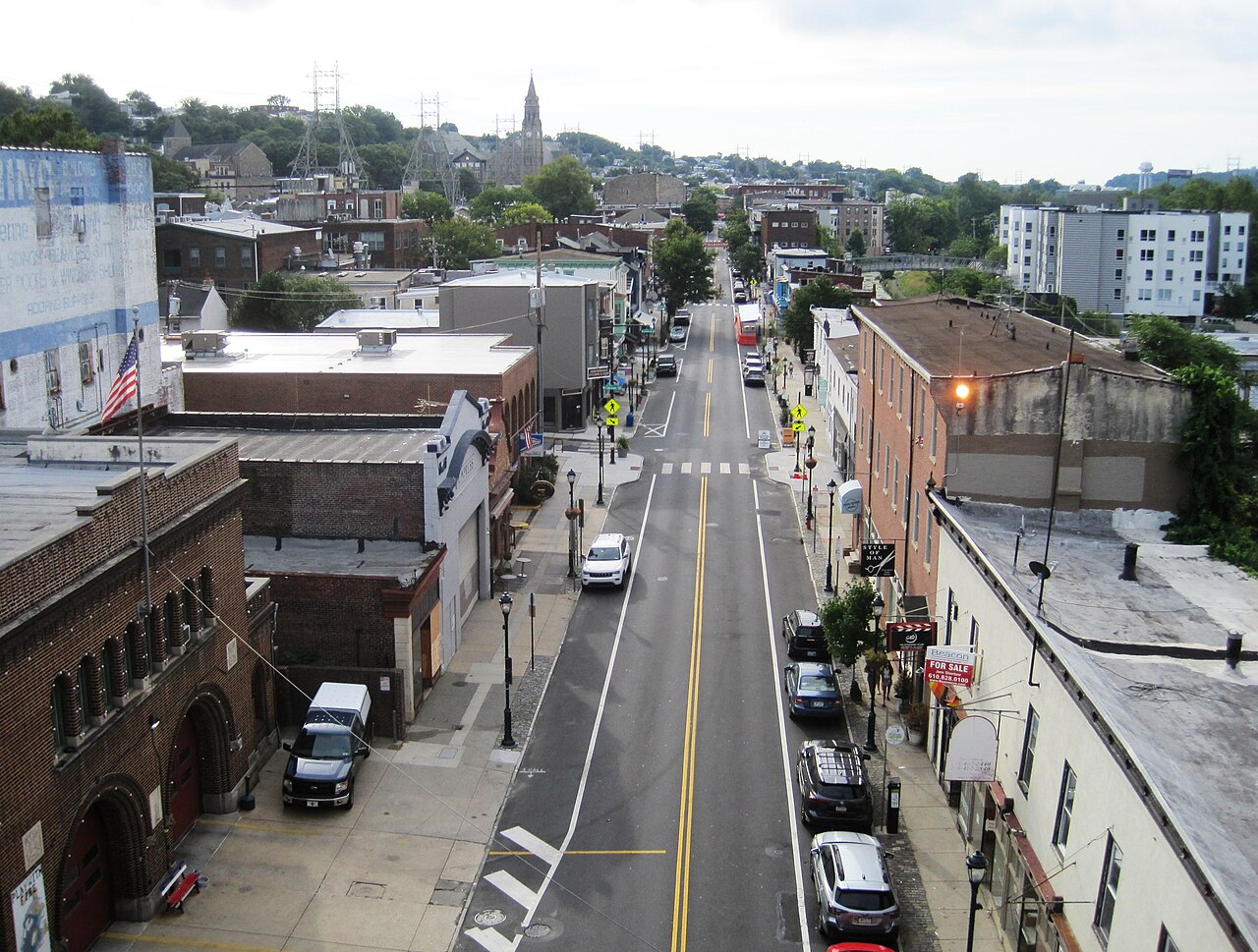
Manayunk
Manayunk is Philadelphia's hill town, and hills are a sewer problem. Mill-era housing stacked on steep grades, stone foundations, and laterals that ru…
Local notes →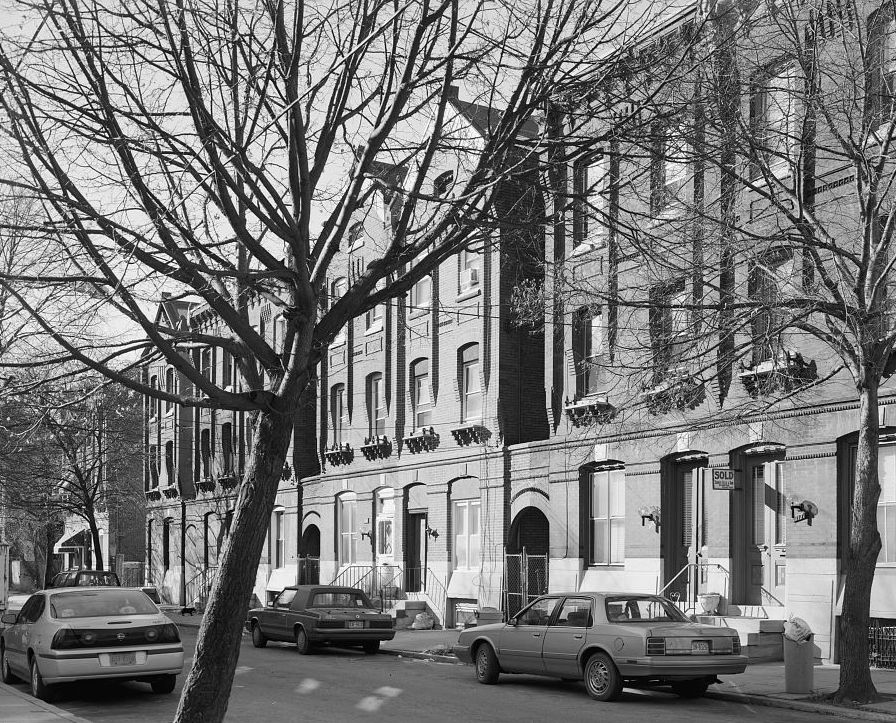
West Philadelphia
West Philadelphia has some of the oldest housing — and the oldest sewer laterals — in the city. Porch-front Victorians and big brick rows in Spruce Hi…
Local notes →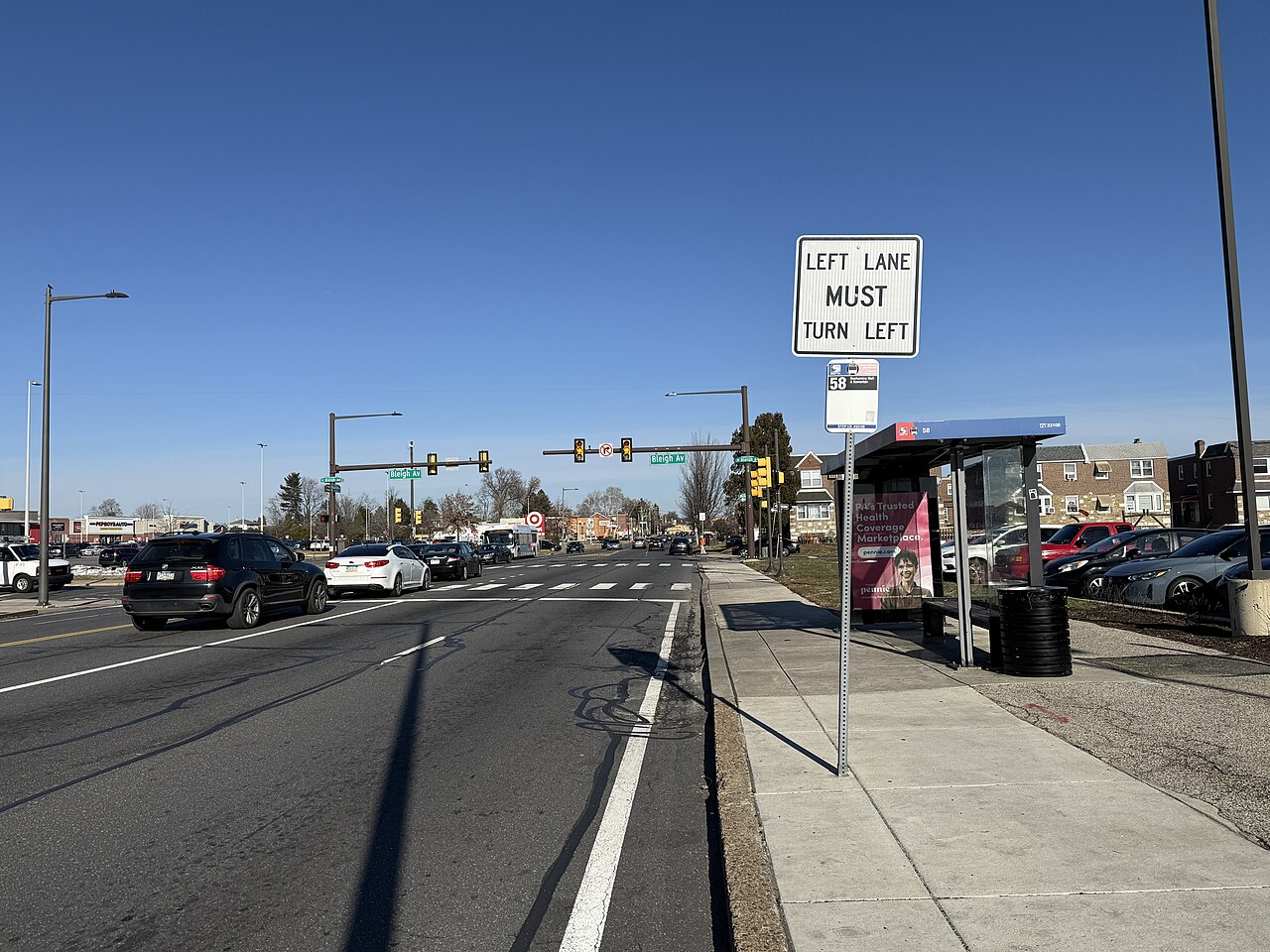
Northeast Philadelphia
Northeast Philadelphia is the city's biggest rowhome belt — Mayfair, Tacony, Holmesburg, Bustleton, Fox Chase — and its sewer story is a generational …
Local notes →Roots in the line? Backing up? Let's get it fixed.
Contact Philly Trenchless for trenchless sewer repair and replacement in Philadelphia and the surrounding counties — 24 hours a day.
[[ADDRESS]] · Philadelphia, PA · Open 24 hours · PA HIC #[[HIC_NUMBER]]