Trenchless Sewer Repair in West Philadelphia
West Philadelphia has some of the oldest housing — and the oldest sewer laterals — in the city. Porch-front Victorians and big brick rows in Spruce Hill, Cedar Park, and Garden Court went up when the city's sewer system was new, and many of their laterals have never been replaced. Under those mature street trees, the clay joints have had a century of root pressure. This is trenchless heartland.
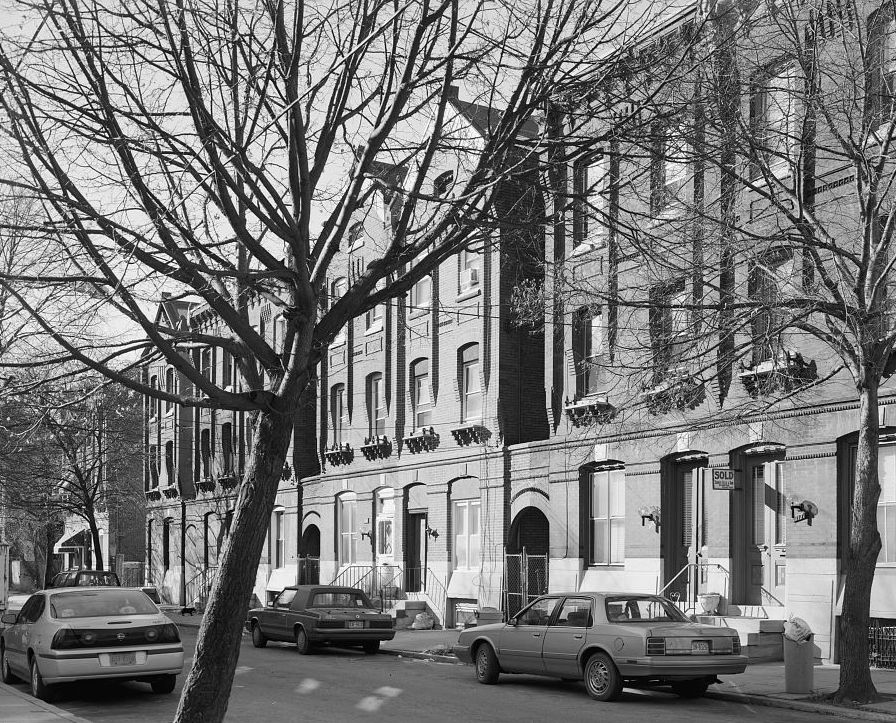
West Philly laterals: the oldest pipes under the biggest trees
Age and canopy are the two variables that drive sewer failure, and West Philadelphia maxes out both. The housing stock — porch-front Victorians and substantial brick rows from the 1880s through the 1920s — predates most of the city's other rowhome neighborhoods, and the street trees are correspondingly mature: big, established canopy with root systems that have had decades to find every joint in the clay below.
The result is the city's most root-intensive sewer environment. The call we hear most — “we think we might be having roots in our sewer line” — is practically the neighborhood anthem. Cutting and jetting clear the mass, but on laterals this old the pipe behind the roots is often past the point where clearing is enough: joints separated, sections offset, clay crumbling. The camera shows which side of that line your lateral falls on.
Where the pipe still holds its shape, CIPP lining is the elegant answer — a continuous epoxy pipe sealing every joint, installed through the cleanout, often with no digging at all. Where the clay is broken or collapsed, pipe bursting pulls new jointless HDPE through the old path. Either way, the roots lose every entry point, which is the only permanent answer under a mature canopy. Cutting without sealing is just scheduling next year's visit.
West Philly's larger lots and porch-front setbacks are a genuine advantage for trenchless work: more room for pit placement, easier equipment staging than the tight blocks east of Broad. The constraint here isn't space — it's the trees. We plan every job around the canopy, not against it: the fix happens in the pipe, and the street trees stay standing.
Rentals, rowhomes, and the pre-purchase scope
West Philadelphia's mix of owner-occupied Victorians, student rentals near University City, and investment properties makes the pre-purchase camera inspection especially valuable. Rental turnover means laterals get used hard and maintained lightly; a general home inspection never scopes the line; and a failed lateral is the kind of five-figure surprise that turns a good investment into a bad year.
For landlords: a camera inspection between tenants is cheap portfolio insurance, and a cleanout install on a property that lacks one makes every future service call faster and cheaper. For buyers: scope the lateral before closing, when a failed line is the seller's negotiation, not your emergency.
The curb trap under the big trees
The curb trap — the U-bend where your lateral meets the city main — takes the worst of West Philly's tree pressure: it's the fitting closest to the curb, which is where the biggest street trees stand. Grease congeals in the bend, roots enter at its joints, and after a century the fitting itself settles or cracks. When a West Philly lateral backs up and everything upstream is clean, the camera usually finds the problem at the trap.
It's homeowner-owned per PWD — including the part under the street — and it's the fitting PWD defect notices name most often. If you're holding a Notice of Defect, the order is: read the notice, get your own camera inspection, get written quotes based on the footage. And if the bill is the problem, know the public options: PWD's Homeowner's Emergency Loan Program (0% interest, 5-year repayment, (215) 685-4901) and the PHDC Basic Systems Repair Program ((215) 448-2160). For official guidance, contact PWD directly.
Your lateral, in cross-section
House → lateral → curb trap → city main. In Philadelphia you own all of it except the main — and the camera is how we map yours before quoting anything.
West Philadelphia — straight answers
Among the oldest, yes — much of the housing stock dates to the 1880s–1920s, and many laterals are original clay or early cast iron. A century of root pressure and soil movement on those joints is why root intrusion is the neighborhood's dominant sewer complaint.
Quite possibly — mature canopy over old clay is the exact combination. A camera inspection shows where roots are entering and what the pipe looks like behind them. The fix happens in the pipe (lining or bursting), not in the canopy: the tree stays.
Yes — between tenants is ideal. Rental laterals get heavy use and light maintenance, and a camera inspection is cheap insurance against a mid-lease backup. If the property lacks a cleanout, installing one makes every future service faster and cheaper.
Per-foot pricing by method — see our 2026 cost guide. West Philly's variables are lateral age and condition, root severity under the mature canopy, and curb-trap condition at the street. Written quote after the camera, never over the phone.
One slow drain is a fixture problem; every drain slowing down usually means the lateral. In West Philly, that pattern plus mature trees overhead points at root intrusion until the camera says otherwise.
What we do here
Pipe BurstingPipe Lining (CIPP)Sewer Camera InspectionSewer Lateral ReplacementHydro JettingTree Root RemovalCleanout InstallationTraditional Excavation
Other neighborhoodsOldest pipes, biggest trees. Camera first.
West Philly laterals have a century of stories. The camera reads them in one visit — then the fix is obvious.
[[ADDRESS]] · Philadelphia, PA · Open 24 hours · PA HIC #[[HIC_NUMBER]]