Check joints as well as pipe walls
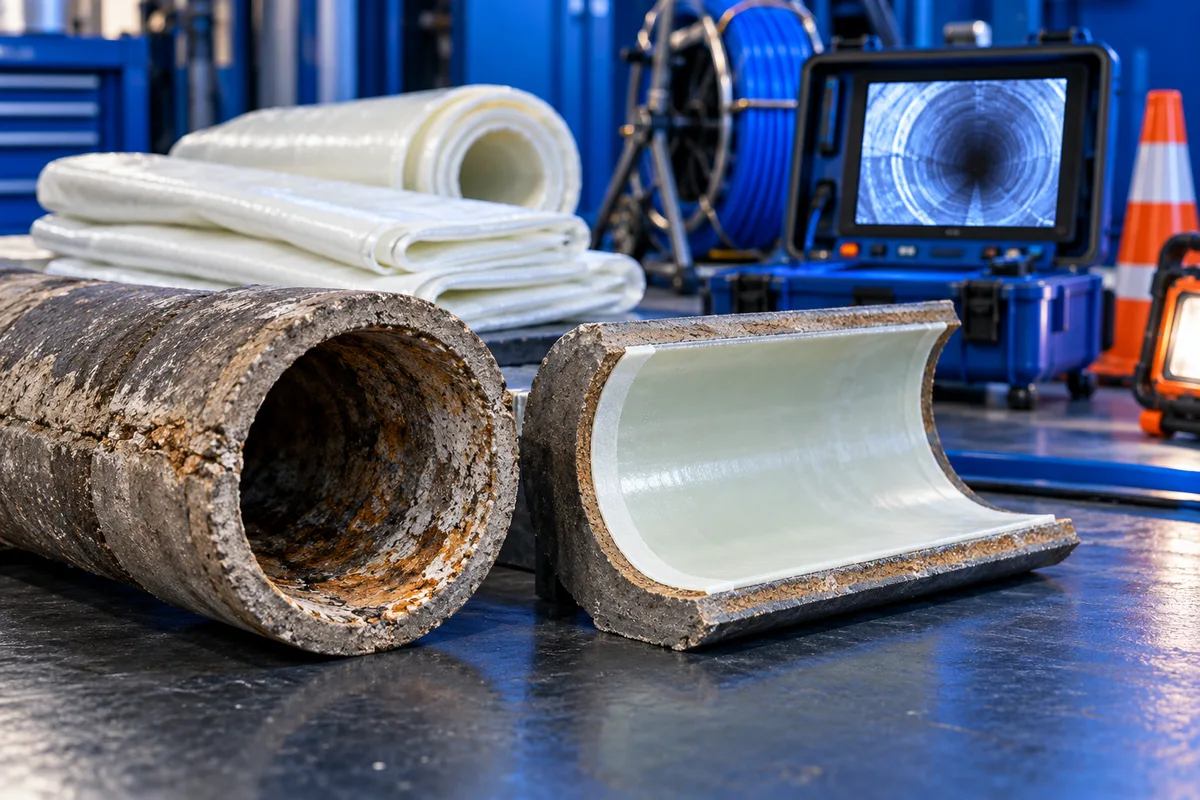
A report that says only “old clay” is not enough to compare repairs. Ask which joints are open, whether offsets obstruct the bore, and whether the full line can be cleaned and inspected. A liner follows the existing route, so the geometry of the host pipe matters.
Understand the limits of rehabilitation
A suitable liner may rehabilitate eligible defects, but it cannot simply lift a sagging pipe into a better grade. Large separations or sections that cannot support installation may need other work first. Ask the contractor to explain any preparatory spot excavation.
Compare the complete scopes
Request comparable quotes for access work, preparation, the repair length, permit handling, and reinstatement. A lower lining price that excludes access or restoration may not be the lower total. Keep the final inspection recording and product details for future property records.
Your next-step checklist
- Ask for defect locations, not an age-only verdict
- Check offsets and grade before selecting a method
- Compare access and restoration in both quotes
Discuss the next step for your property
For a Philadelphia service enquiry, call (267) 740-0245. Describe the symptoms, the address, and any inspection findings. Ask about CIPP pipe lining and confirm provider availability before arranging work.
This guide describes a problem scenario, not a completed customer job. It is general information, not a diagnosis, engineering design, coverage decision, or legal advice.
- Perma-Liner: lateral lining specifications ↗
- City of Philadelphia L&I: current applicable plumbing codes ↗
Confirm current requirements with the responsible department and the provider assessing your property.