

Start with the property layout
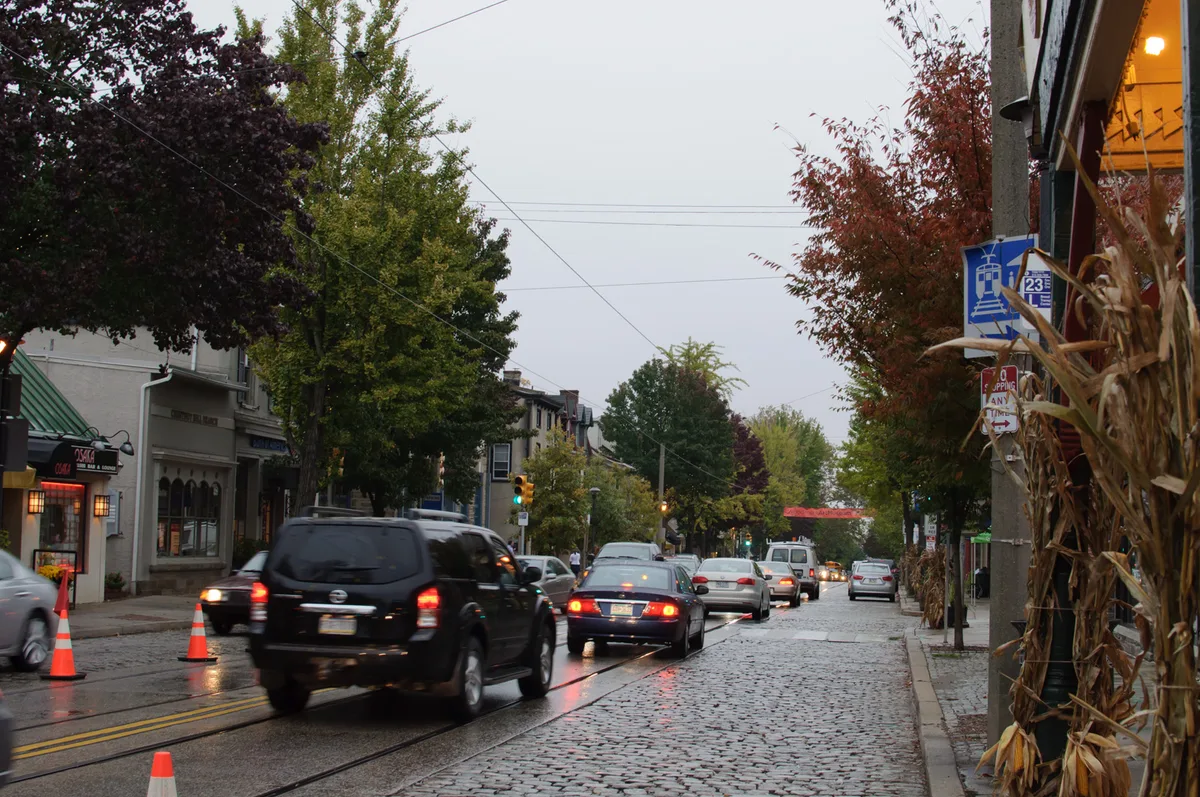
Describe the surfaces and access points along the suspected route: a planted area, walkway, driveway, basement or front entrance. A camera inspection and locating help establish which of those features are actually relevant. Mature planting nearby does not, by itself, prove that roots have entered the pipe.
What to compare in a repair proposal
If lining is proposed, ask whether the host pipe can be prepared and whether its grade and connections are suitable. If replacement is recommended, ask what defect makes rehabilitation inappropriate. Compare the finished restoration outcome alongside the pipe work and agree how hidden findings are handled.
Roots near a pipe and roots inside a pipe are different findings
An inspection should show whether roots are entering at a joint or opening and whether they obstruct the accessible route. Root cutting can clear suitable growth without repairing its entry point. Ask what the post-cleaning view shows before deciding whether rehabilitation or another repair is appropriate. Do not agree to tree removal or full replacement based only on nearby planting.
Include paths, planting and drainage access in the plan
Ask where the assessor can reach the sewer and where any opening would be made. For a route under a walkway or driveway, compare surface repair in both the trenchless and excavation proposals. For a planted area, discuss access and reinstatement with the appropriate provider. Neither the website nor a neighborhood photograph establishes the location of pipes, utilities or protected property features.
A repair decision should survive a second opinion
Keep the camera recording, defect locations and proposal together. If two providers recommend different methods, ask them to explain the same findings and the same final restoration. A lining proposal should address grade and connections; a replacement proposal should explain why its length is necessary. Confirm the provider’s identity, availability and applicable approval responsibilities before arranging work at the Chestnut Hill address.
Have these details ready
- Exact street address and property type
- Which fixtures are affected and when
- Any inspection video or previous repair records
- Available basement, yard, or curbside access
Explore suitable service options
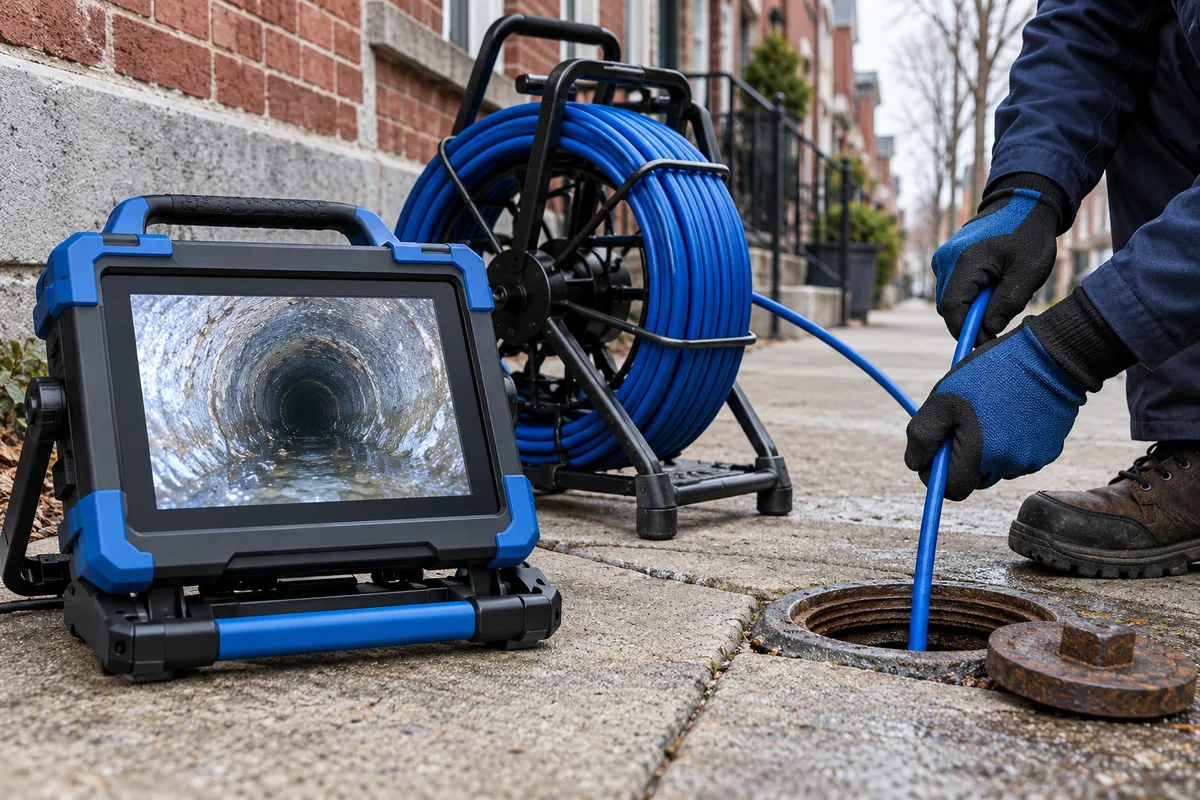
A recorded sewer camera inspection can help establish the condition of the accessible route. Discuss CIPP lining, lateral repair or replacement, or spot excavation only after the findings are explained.
Confirm availability for your address
These are neighborhood information pages. There is no separate Chestnut Hill branch office represented here. Ask about current provider availability, the specific scope, and applicable requirements before arranging work.
- Philadelphia Water: customer responsibilities ↗
- City of Philadelphia L&I: current applicable plumbing codes ↗
Confirm current requirements with the responsible department and the provider assessing your property.