Understand the inspection conditions
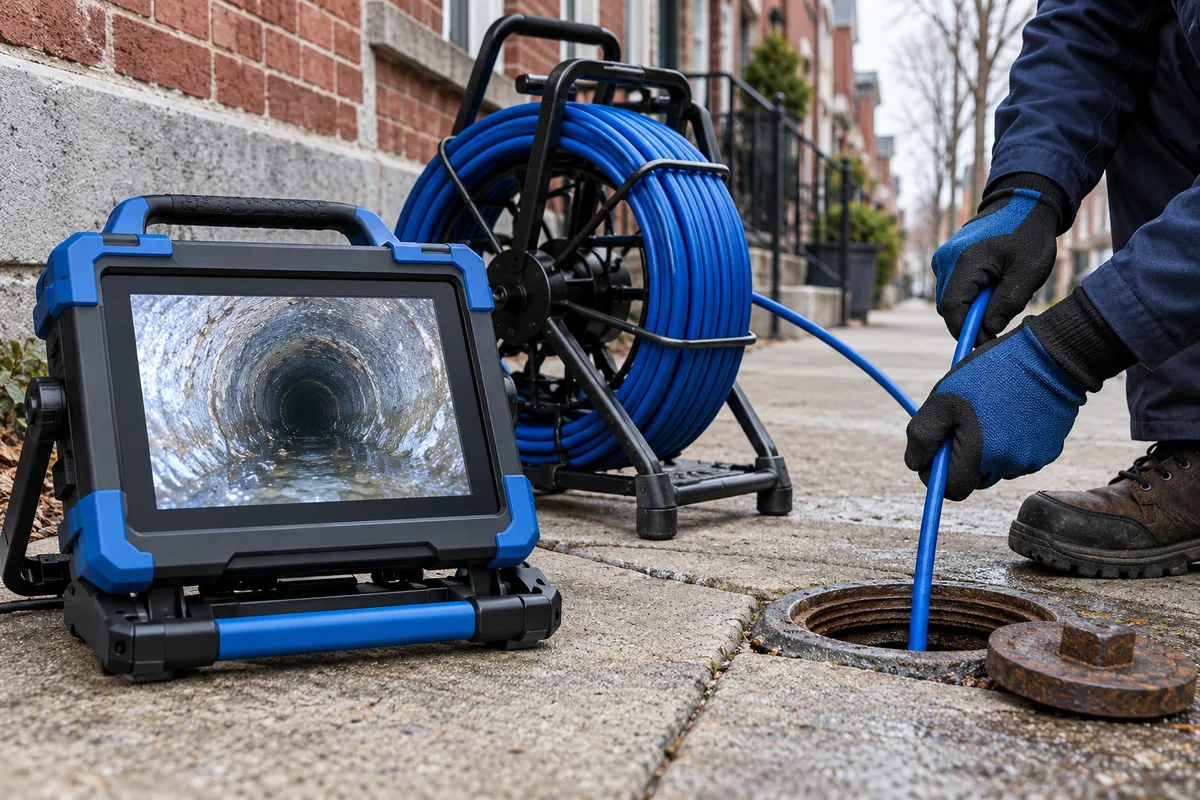
Was household water running? Had the line just been cleared? Did the camera pass through a short pool or remain submerged for a long distance? These observations help frame the finding, but the video alone may not provide precise elevations.
Ask for the reason behind the label
If the report calls it a belly, ask how a downstream restriction was excluded and where the low section begins and ends. If visibility is poor, ask whether cleaning and reinspection would improve confidence. The distinction affects whether lining, grade correction, or another action is relevant.
Tie the recommendation to function
A history of backups, deposits, and the measured condition matters more than an isolated alarming screenshot. Ask what problem the proposed work fixes and how success will be checked. Keep the full video so another provider can review the sequence rather than a single still.
Your next-step checklist
- Record whether water was running
- Ask how blockage and grade were distinguished
- Keep the full sequence, not only a still
Discuss the next step for your property
For a Philadelphia service enquiry, call (267) 740-0245. Describe the symptoms, the address, and any inspection findings. Ask about Sewer camera inspection and confirm provider availability before arranging work.
This guide describes a problem scenario, not a completed customer job. It is general information, not a diagnosis, engineering design, coverage decision, or legal advice.
Confirm current requirements with the responsible department and the provider assessing your property.