Separate an appliance issue from a drainage issue
A leaking washer hose normally leaves water near the appliance. Water rising through a different floor opening suggests the drainage route cannot carry the discharge. Note whether the nearby laundry sink, basement toilet, or upstairs fixtures are also slow. These observations help narrow the affected section without dismantling anything.
What an assessment should establish
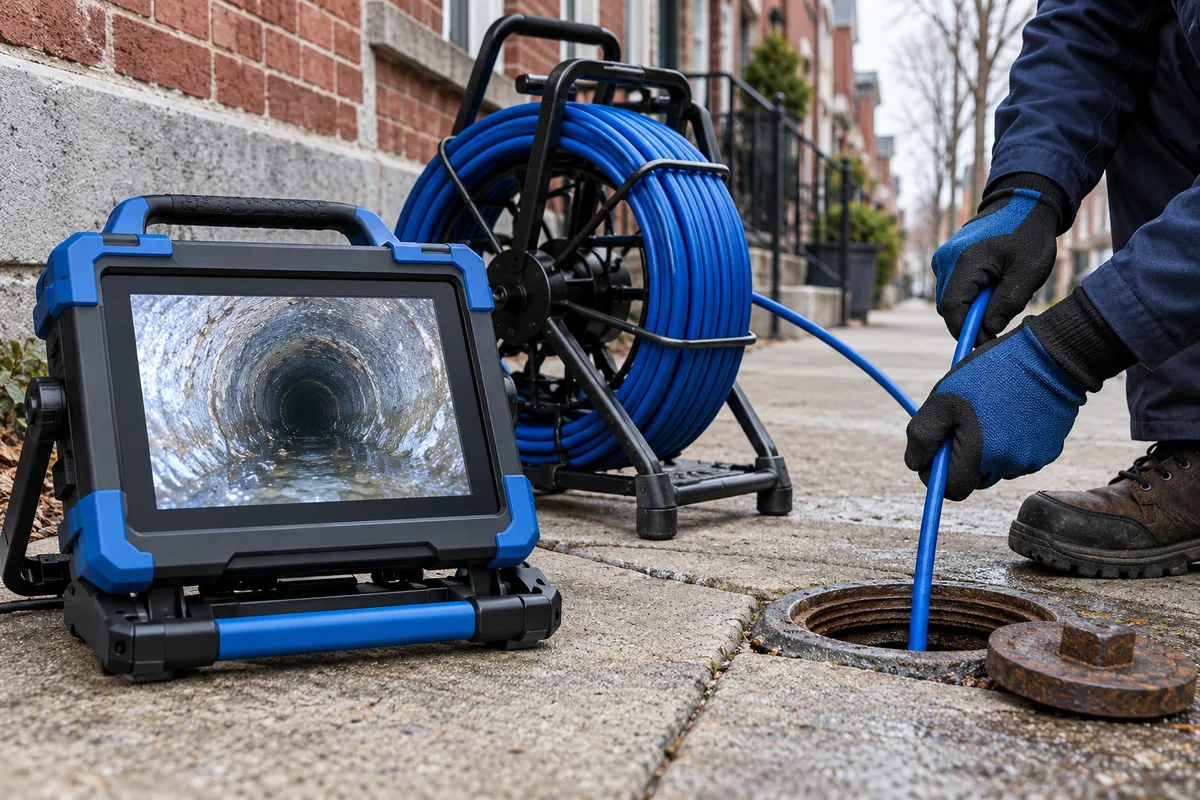
Ask where the washer joins the building drain and whether that route passes through a trap or older pipe section. A cleaning tool may open a small path without removing the full deposit. If the issue returns, request footage showing the drain after cleaning, not only a description of what came off the cable.
When a trenchless discussion becomes relevant
Lining is a repair for an appropriate damaged host pipe, not a substitute for identifying a laundry branch restriction. A distorted pipe or poor grade can require a different approach. Have the provider mark the defect location and distinguish work under the basement from work in the outside lateral.
Your next-step checklist
- Pause laundry until the overflow is diagnosed
- Note other slow basement fixtures
- Ask which exact pipe section needs work
Discuss the next step for your property
For a Philadelphia service enquiry, call (267) 740-0245. Describe the symptoms, the address, and any inspection findings. Ask about Sewer camera inspection and confirm provider availability before arranging work.
This guide describes a problem scenario, not a completed customer job. It is general information, not a diagnosis, engineering design, coverage decision, or legal advice.
Confirm current requirements with the responsible department and the provider assessing your property.